- Home
- /
- Mass-Media Project
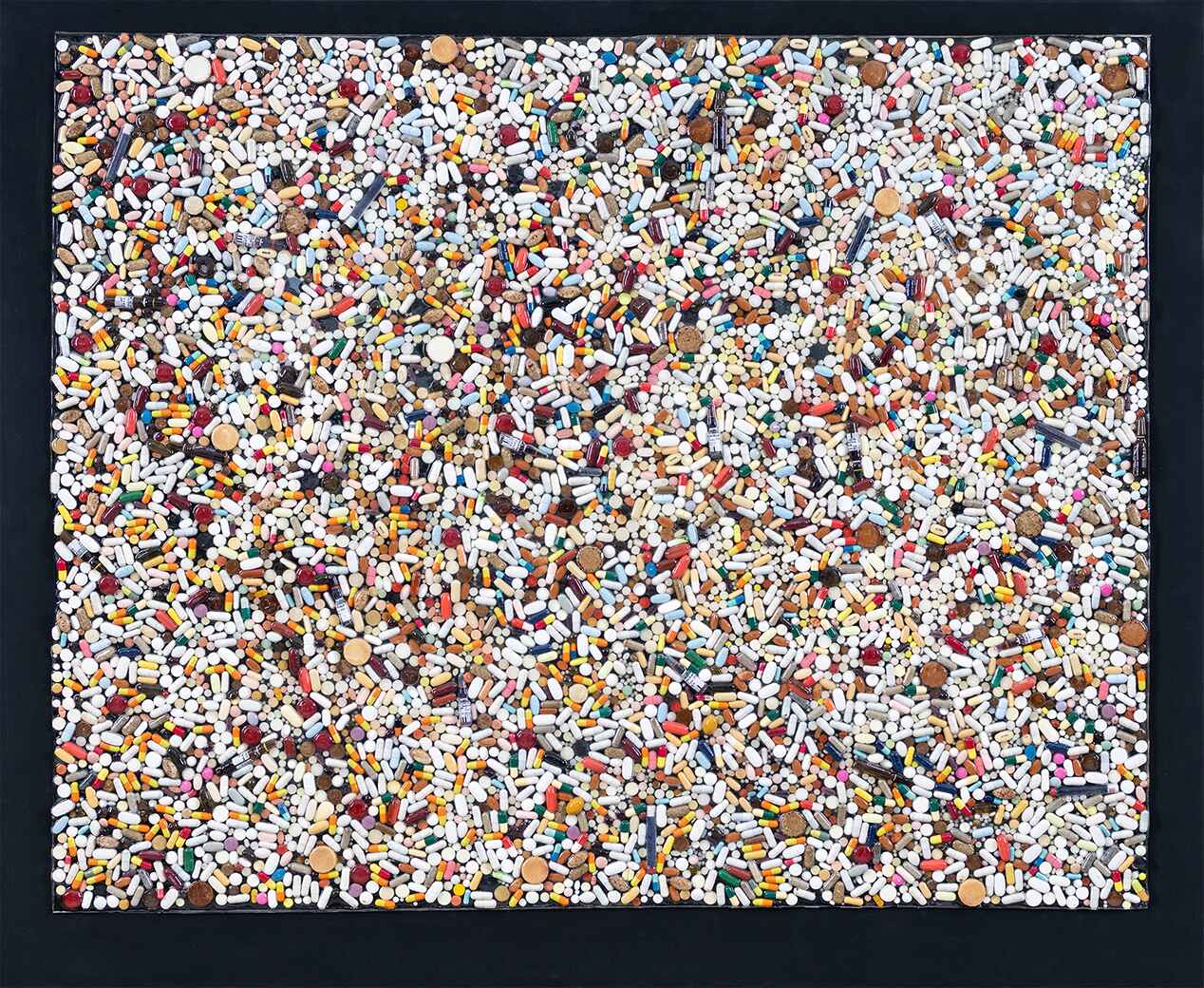
Pharmakon (1) 2021
115×95 cm
Pharmaceutical products and resin on canvas
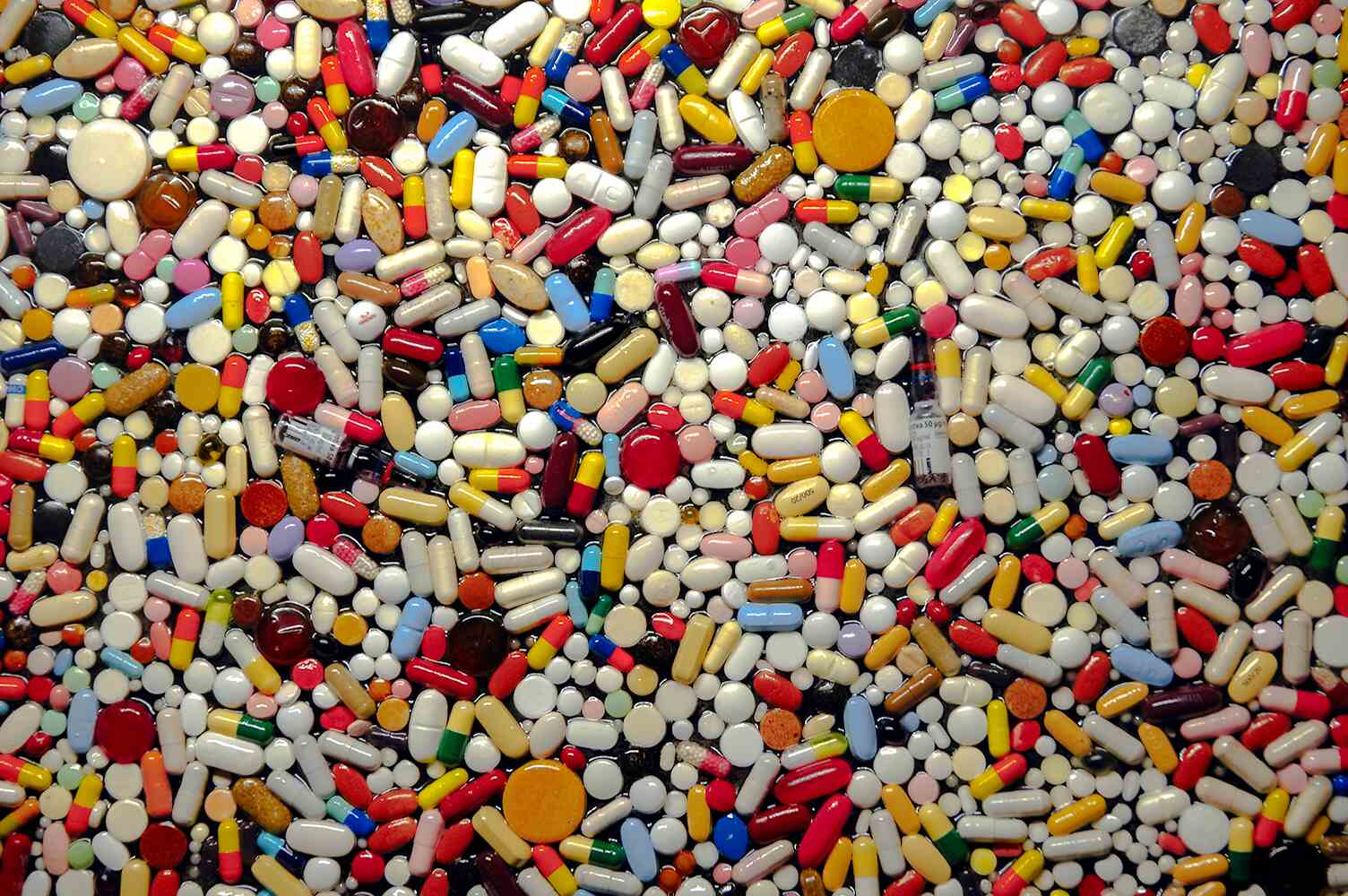
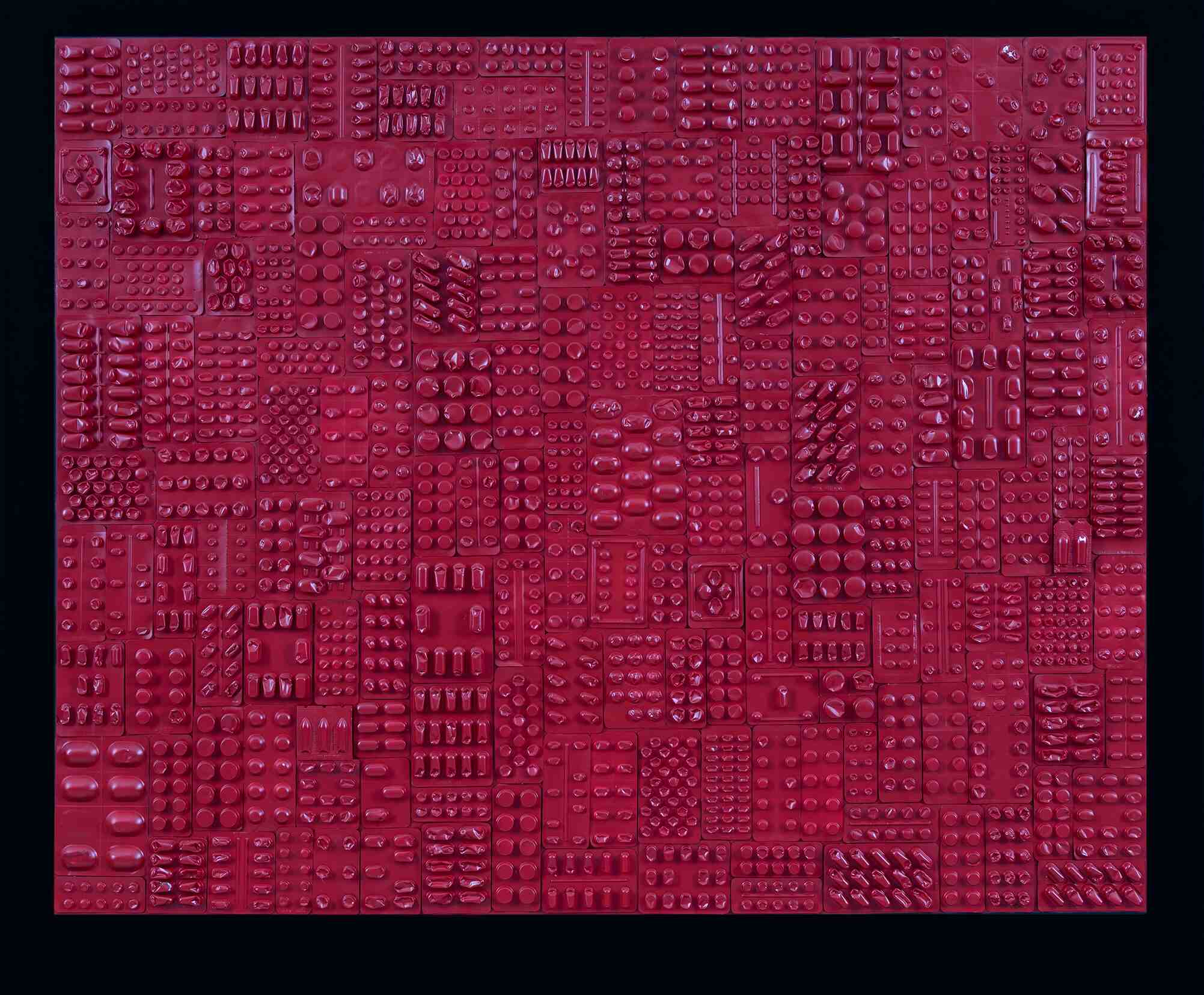
Pharmakon (2) 2021
115×95 cm
Mix media on canvas
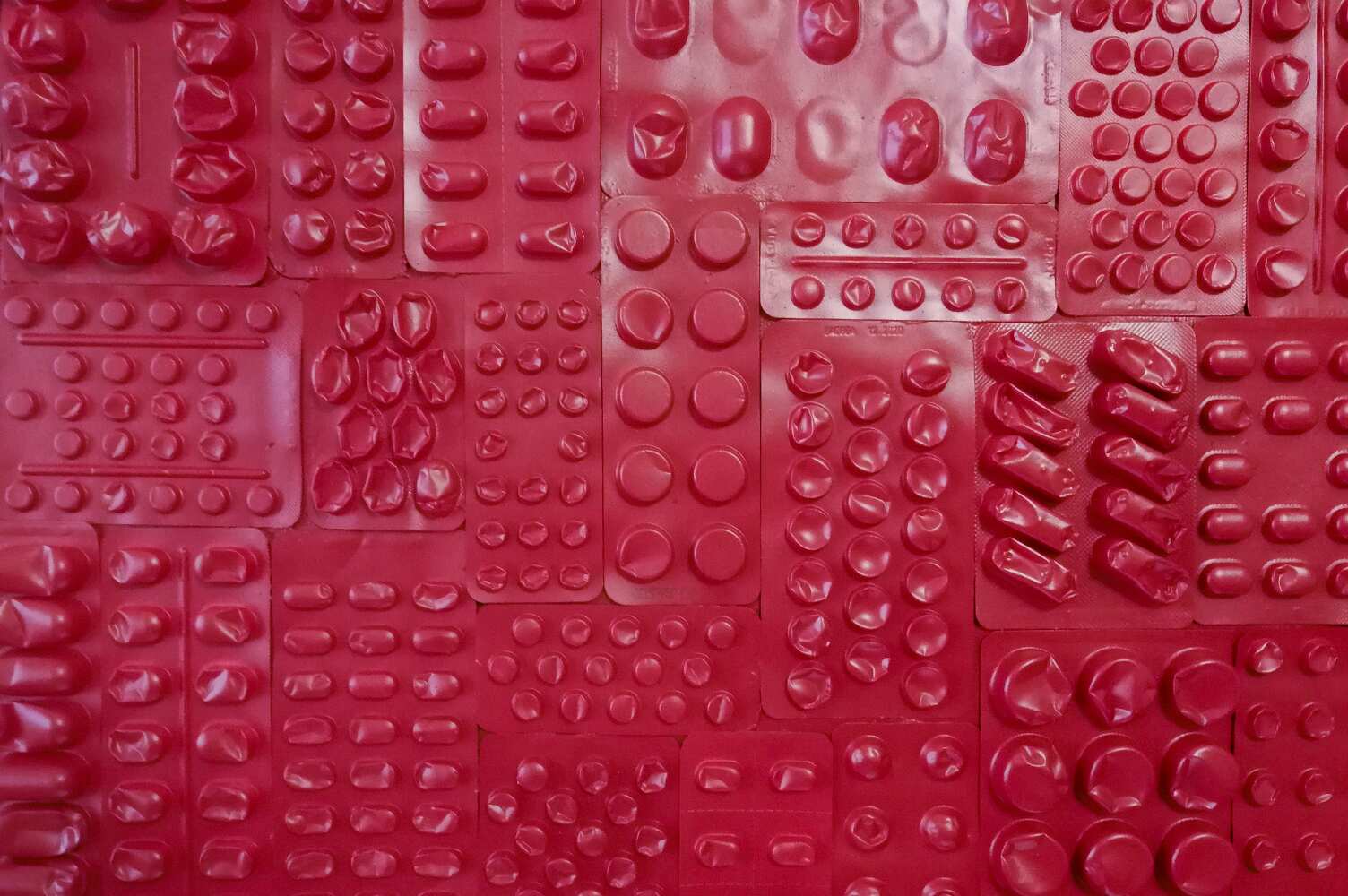
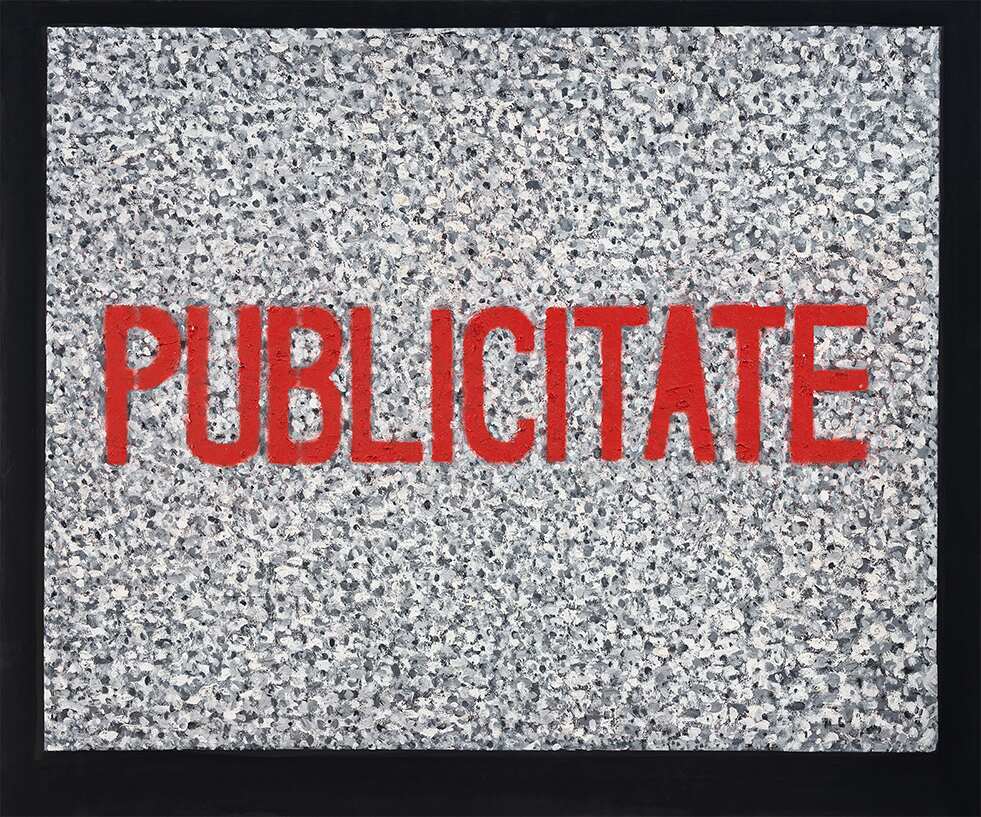
Publicitate 2016
115×95 cm
Acrylic, Spray and Oil on canvas
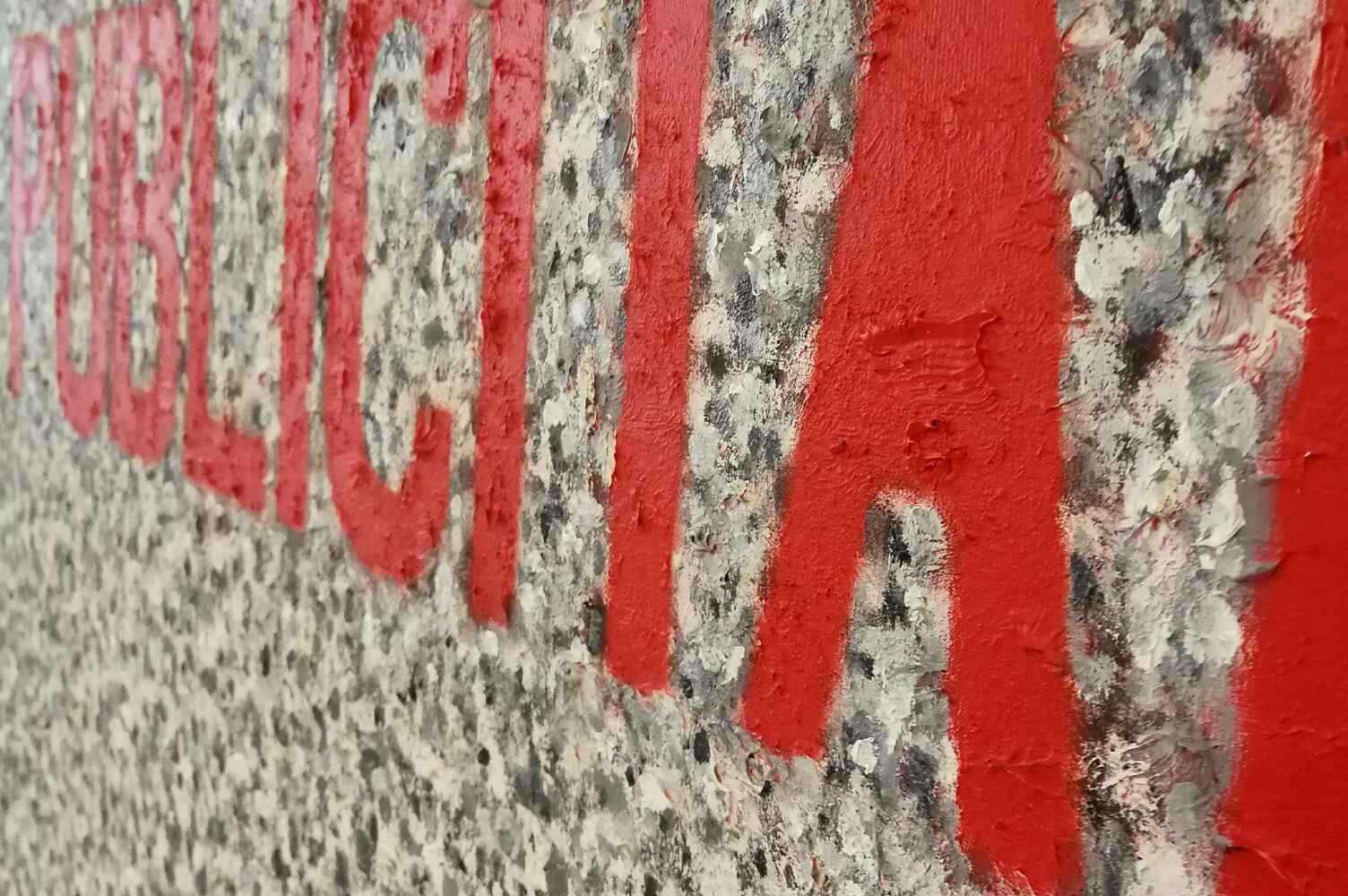

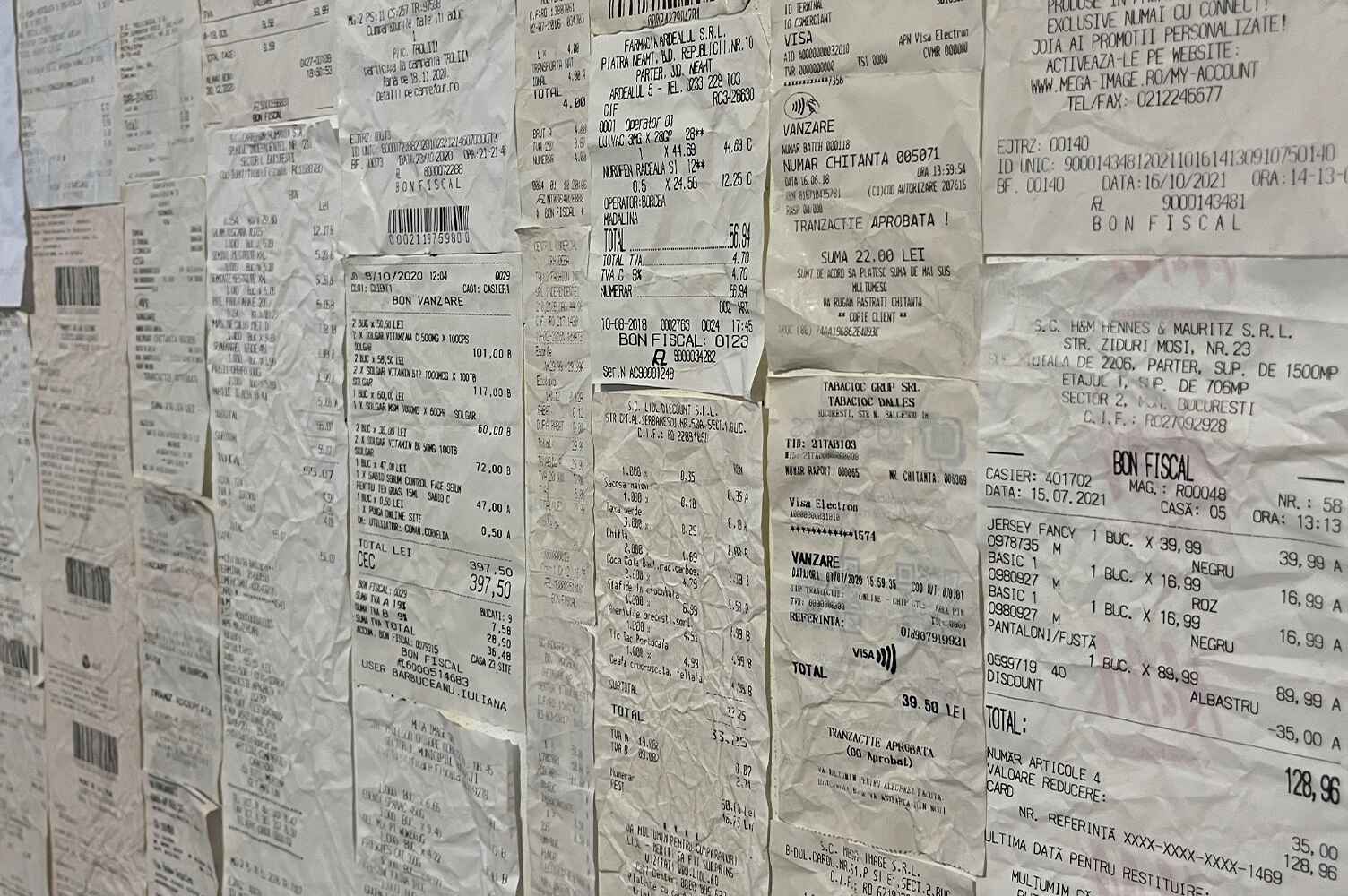
Publicitate 2021
115×95 cm
Acrylic and tax receipts on canvas
Certain classes of medication can create psychological dependence. Dependence can be defined as a chronic disease that affects the brain and memory functions. Most over-the-counter pills, when used in normal doses, have a minimal effect on the psyche.
In Greek, “Pharmakon” means both medicine and poison, as well as elixir or harmful substance.
Mass Media – Degree Project
2017, 100×150 cm, Oil on canvas

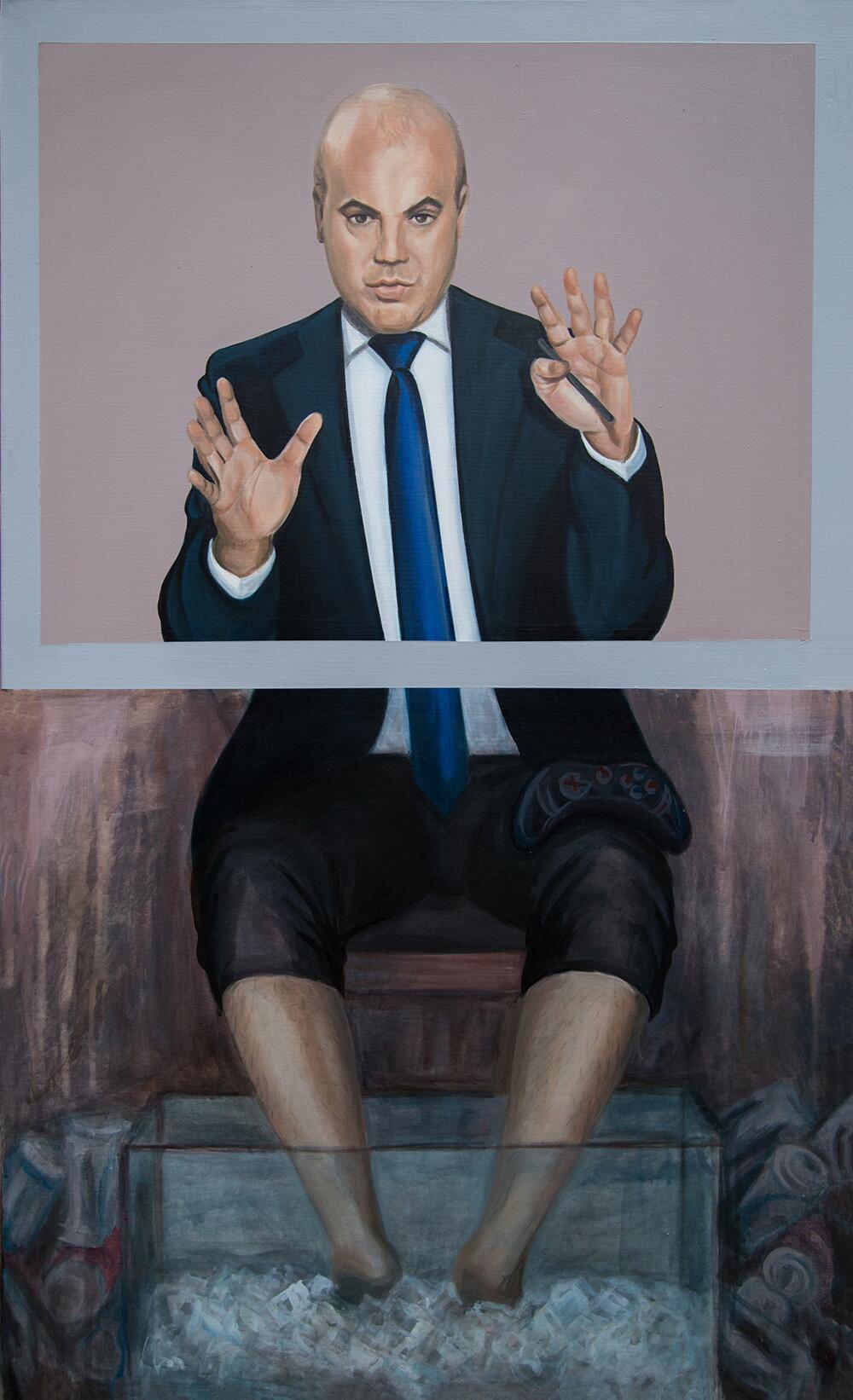
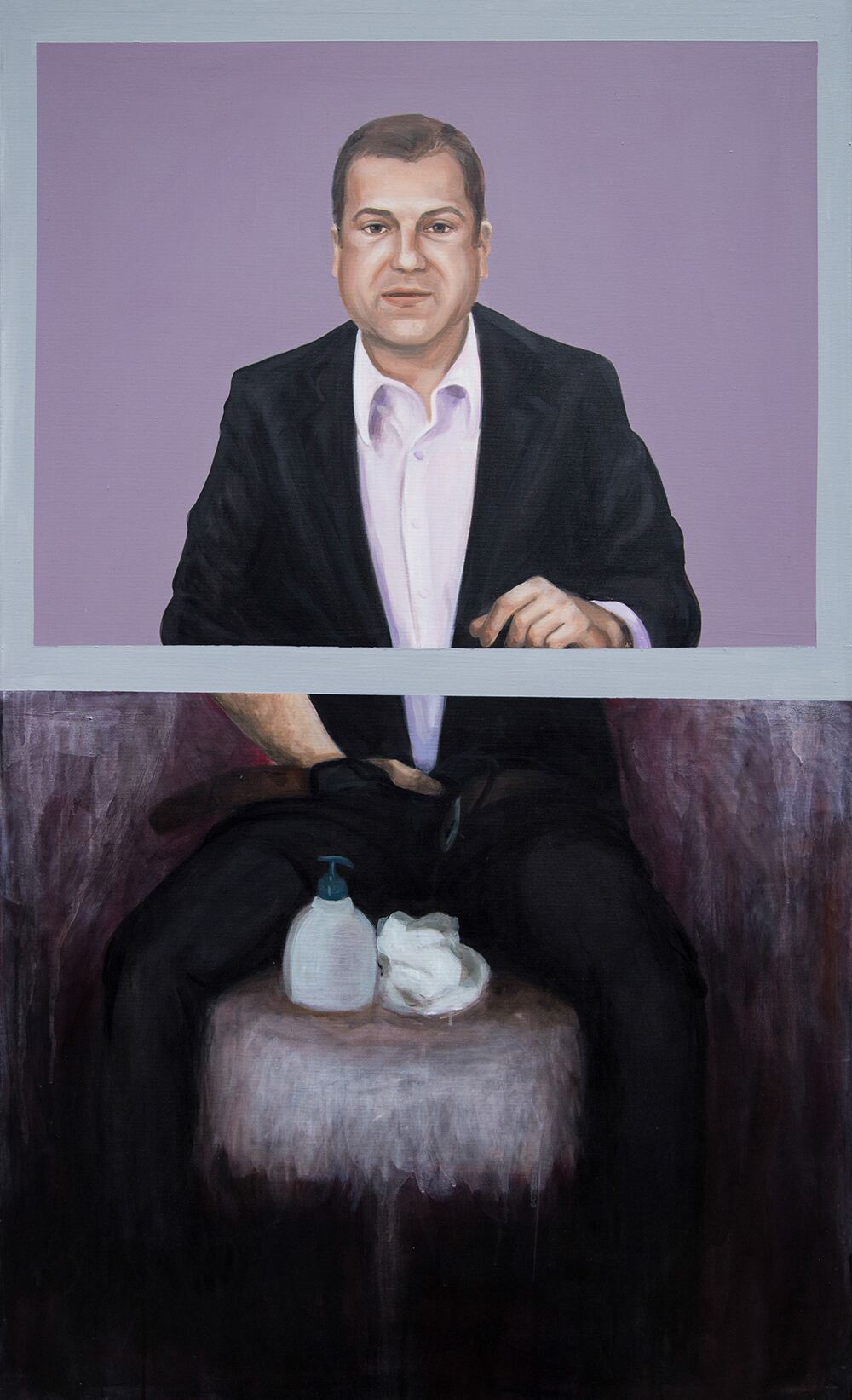
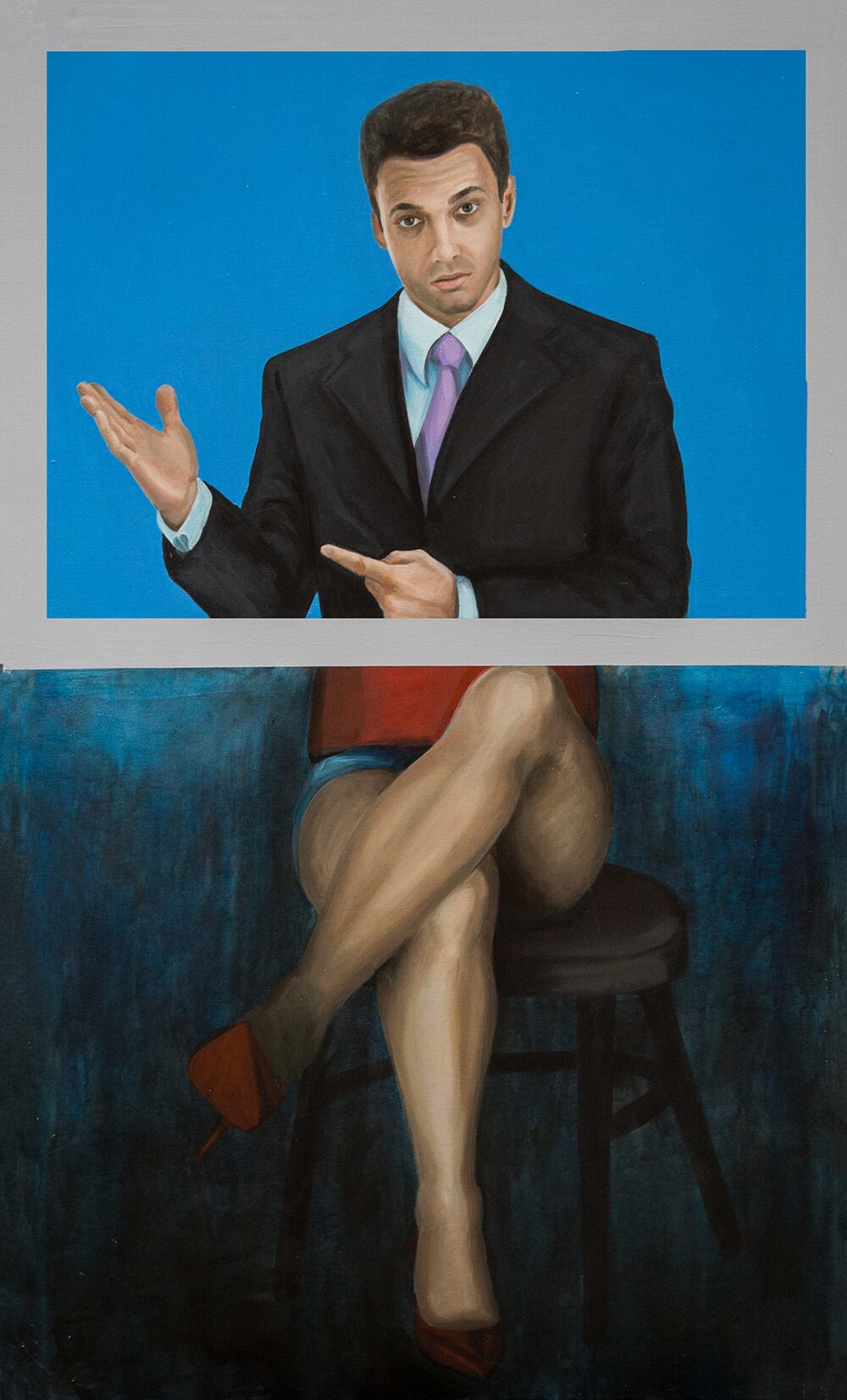
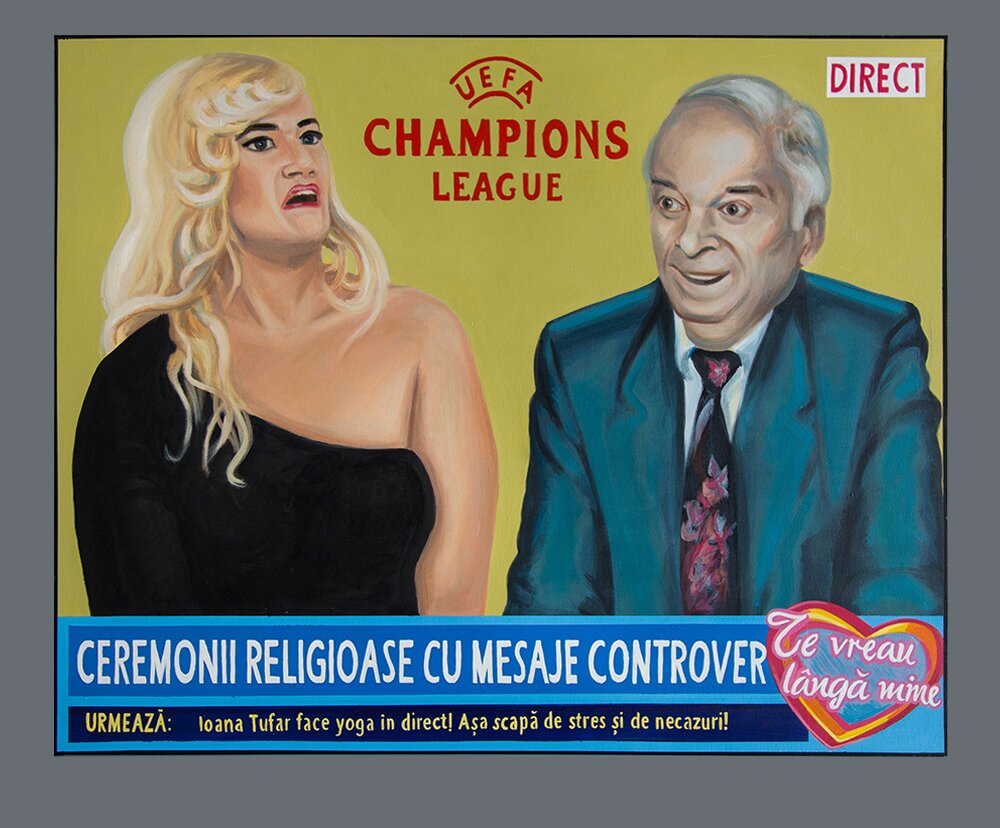
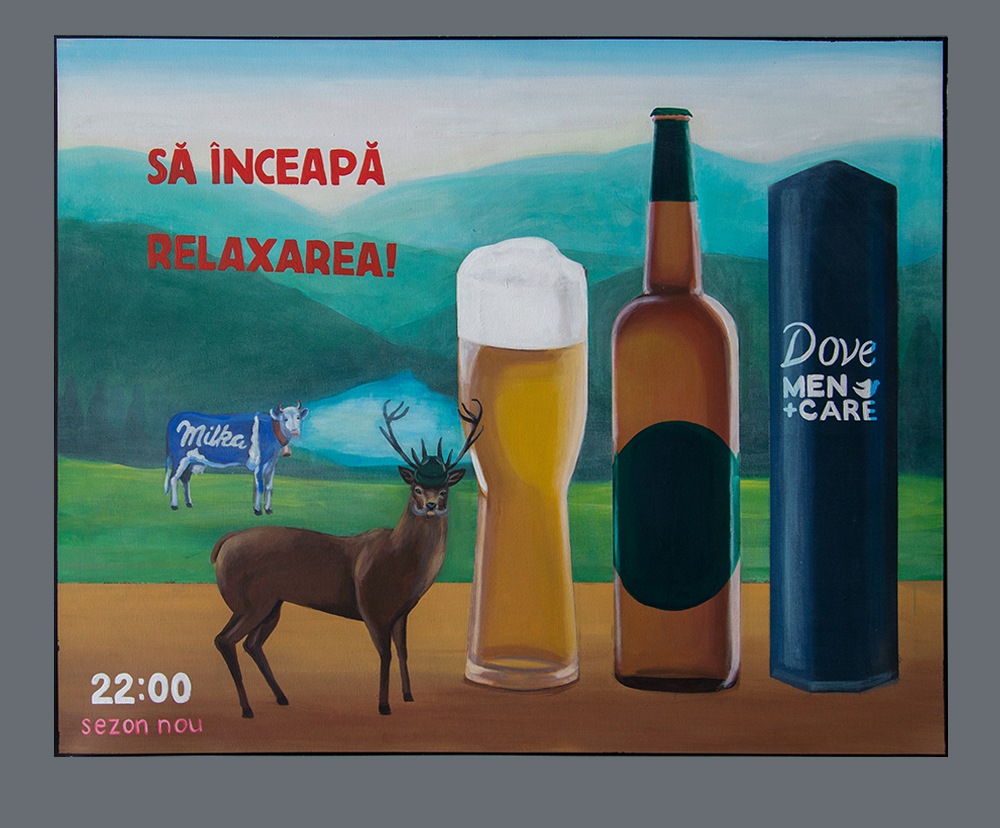
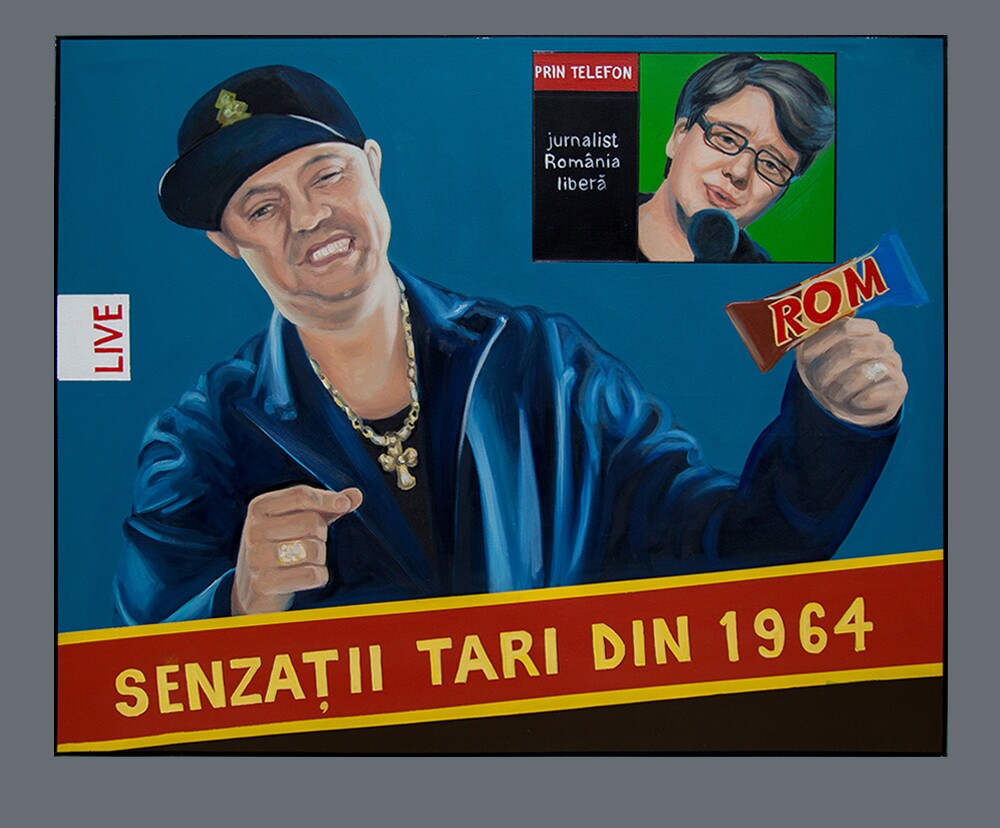
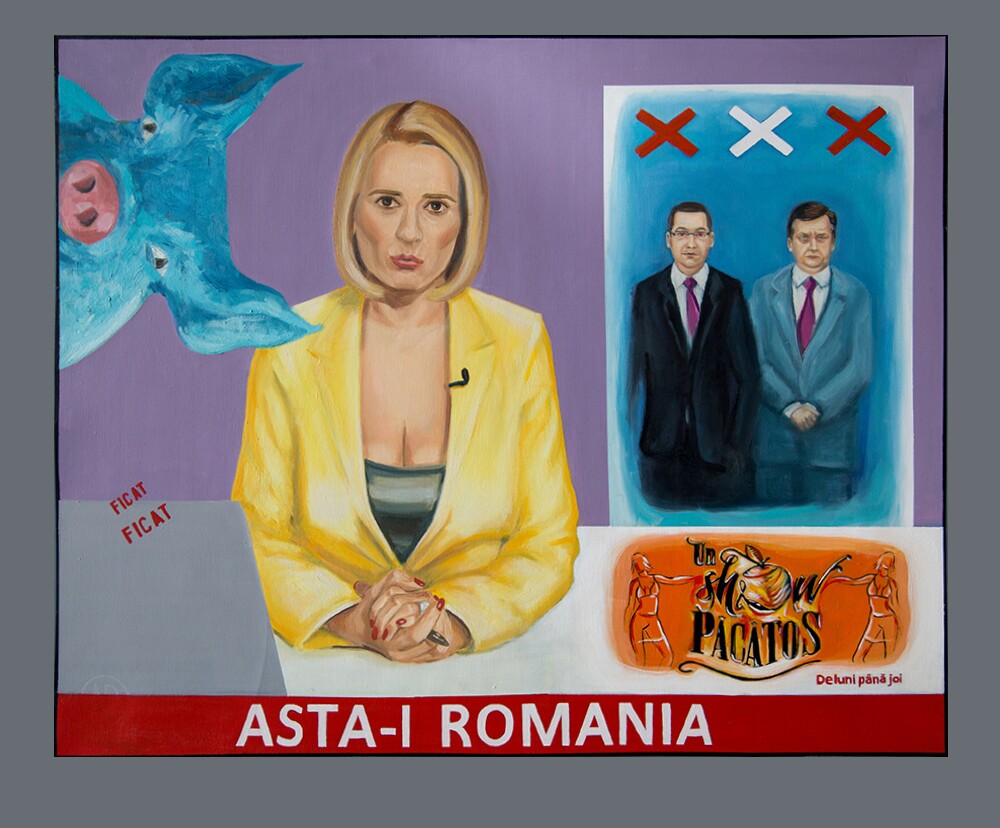
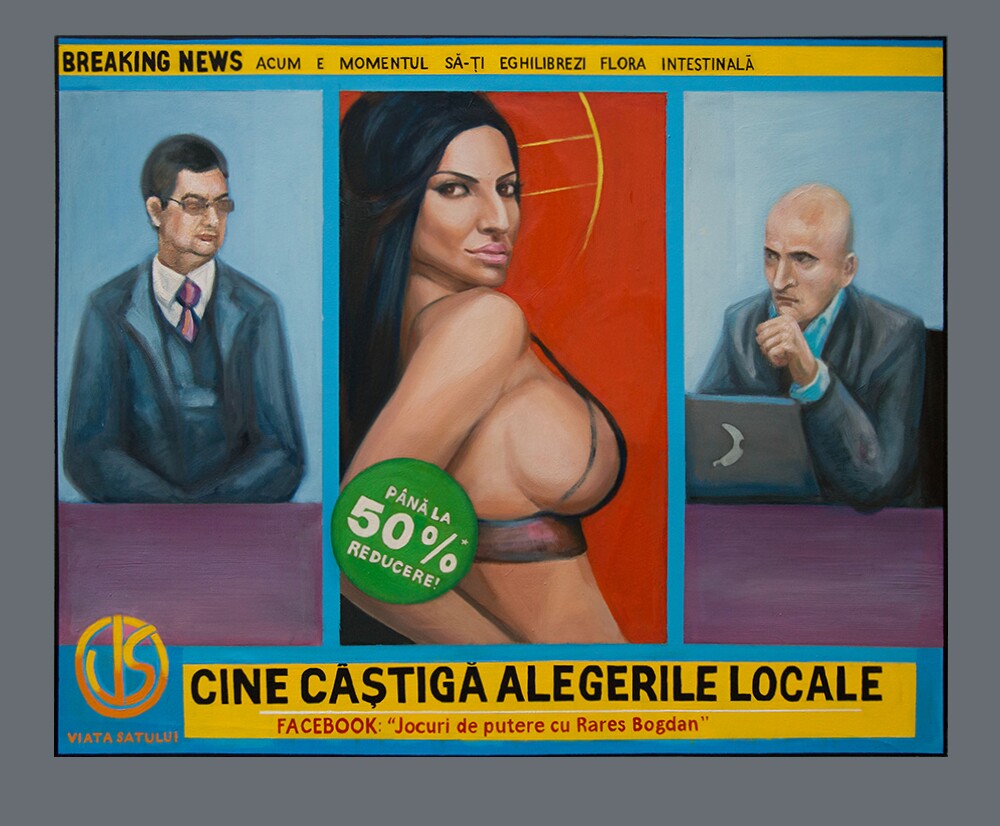
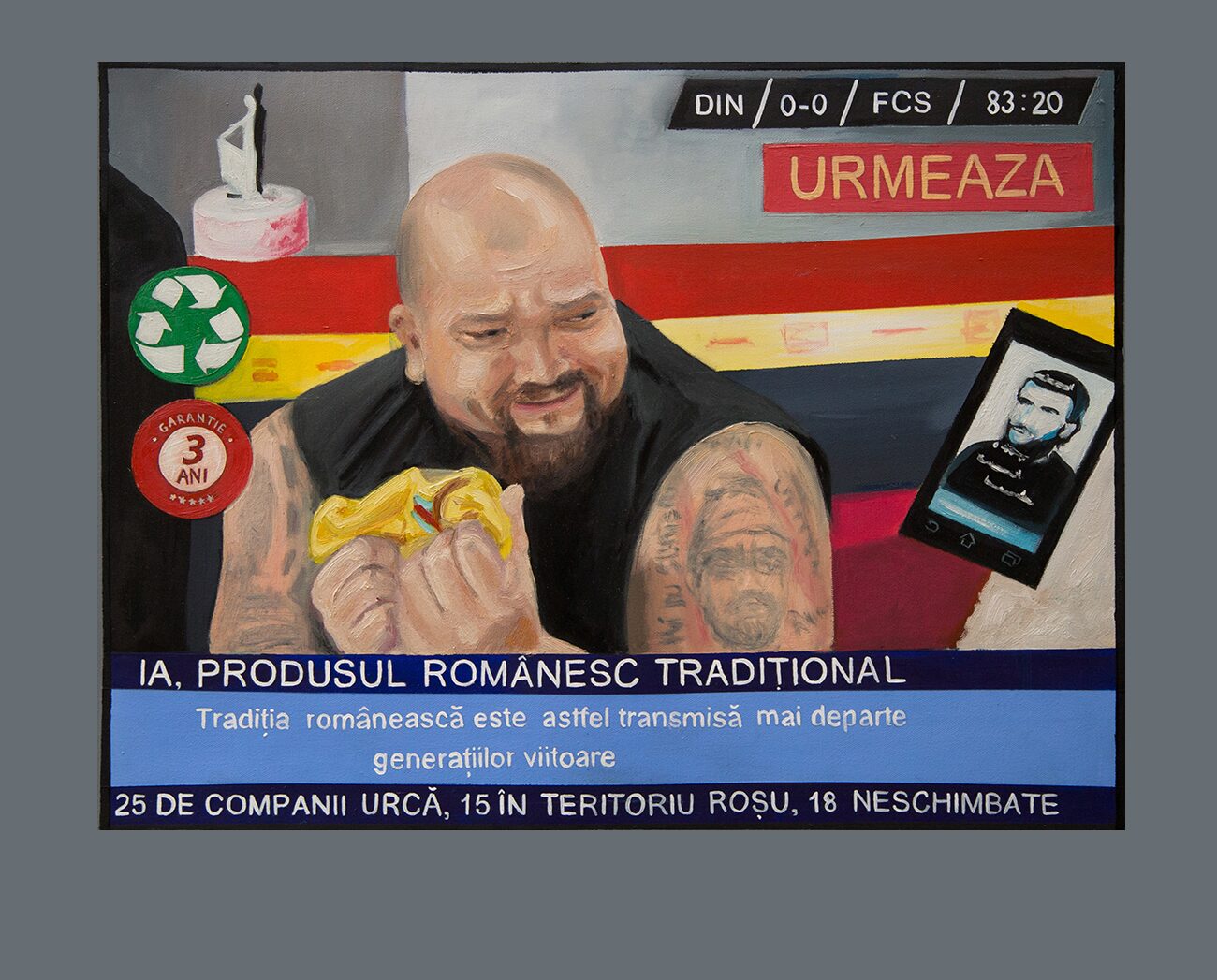
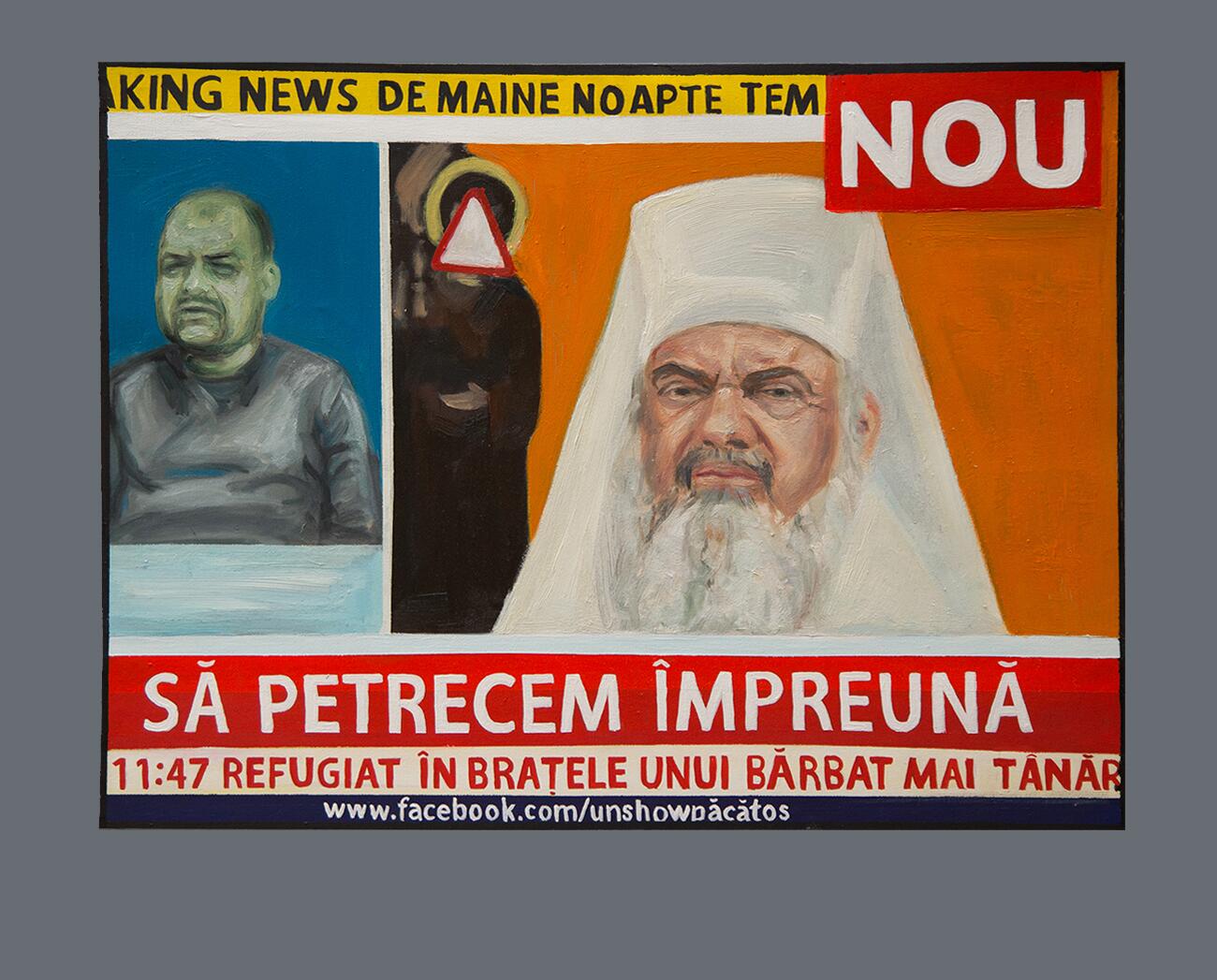
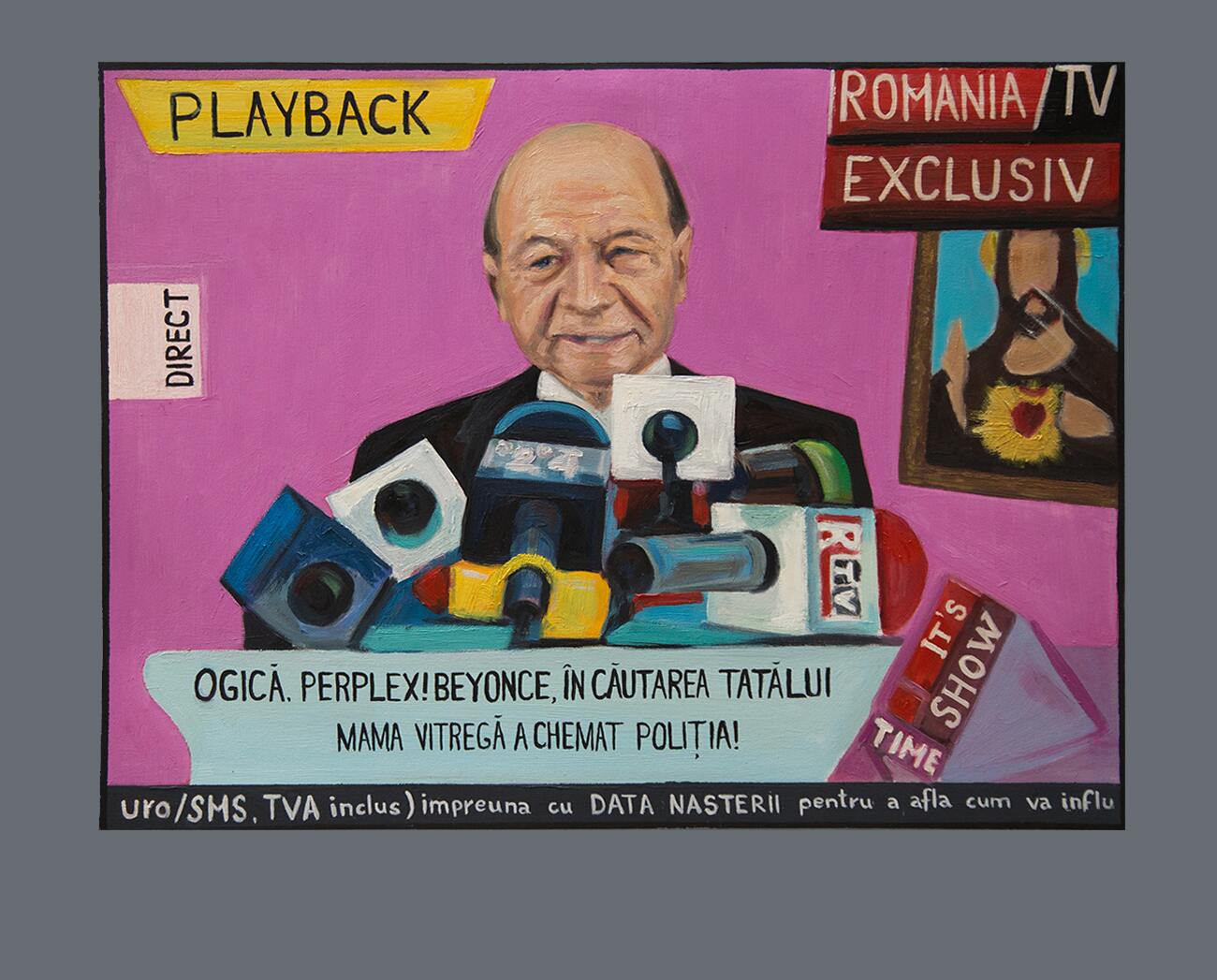
We live our lives under constant bombardment, from which we do not try to protect ourselves. On the contrary, we approach it with a curiosity better suited for more meaningful pursuits. Information — this invaluable resource, for whose democratization Promethean struggles have been fought — has proven to be a malleable substance, shaped according to the tastes and interests, far from public-minded, of those entrusted with communicating it. Television continues to be the main institution responsible for its dissemination — in other words, for educating the masses about the world they live in. Instead, it is filled with celebrities of questionable value, news of doubtful relevance, opinion leaders of questionable integrity, advertisements that capitalize on the audience’s insecurities, and perspectives whose biased nature can easily be exposed through an exercise of critical thinking. Unfortunately, faced with such skilled illusionists as mass media, the discernment and intellectual dignity of the (tele)viewer are quickly diminished, turning them into yet another addict among many others.
Through the “Mass-Media” project, I aimed to reveal, with clarity and carefully balanced irony, the extent to which a society lacking protective mechanisms can become contaminated. Film, television, and other mass communication channels promote destructive “cultural” strategies that encourage indiscriminate informational consumerism. The body of works represents a critique of the explosion of pseudo-celebrities and pseudo-opinion makers responsible for keeping society in a state of intellectual stagnation.
Mass Media
2016, 115×95 cm, Oil on canvas